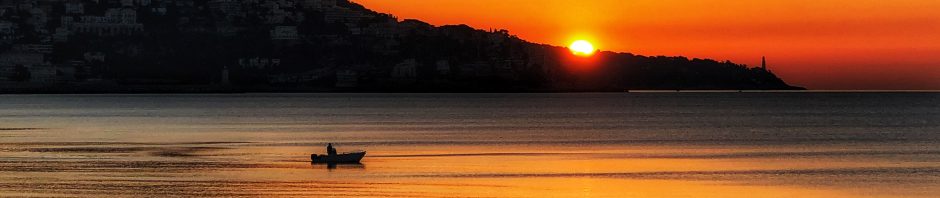
Going Slow

There are many wondrous things we would probably rediscover, or discover for the first time generationally, if we were to go slow. Occasionally I chide myself for rushing non stop and piling on the multiple tasks in the interest of efficiency and “lots to do”, and try to remember to look up, at the clouds, at the treetops and at the stars. Tilting my head away from the ground is easiest way for me to literally open up to new perspectives. Usually I see something worth stopping for.

Last week the Perseid shower blew by, and for about a second I actually thought about stealing away at midnight to find a dark spot from which to catch sight of shooting stars. I have done so a couple of times in my life, but I never really had the patience to stick it out for the prime viewing time of 2am. Still, the memory of those shooting stars — as I pulled the curtains for the night from a window in Trieste, during a summer night in Vermont, bundled in fleece during an August night in Wilsonville, Oregon — make me feel like a child again, or a natural-state primitive man, marveling at the mysterious power of the universe.

It would be a really good exercise in slow to take a day to sit and watch it get dark, and then wait for the stars. When was the last time I did that? I can remember watching it get light at least a few times in college. Of course most of the time day turns to night before my eyes, but I’m not usually paying attention.

The New Yorker has a touching article in the August 20 issue, by David Owen, about a little known but exciting trend in U.S. cities to minimize light pollution. The purpose is not just to save lots of money and energy, but to design night lighting so that it is the least disruptive to enjoying the experience of dark and all it entails. Part of that means restoring some places to a state of dark similar to that which existed before artificial light — a state which allowed Galileo to see the Milky Way, Saturn, Jupiter and Venus with weak telescopes or even the naked eye.

We should save our dark areas for the same reason we preserve wilderness. Owen talks about the International Dark Sky Association and quotes a founder saying “We’re sort of a nighttime Sierra Club.”

What a wonderful idea. The fact is, lighting can be reduced without sacrificing safety, and the benefits could extend to giving kids something other than a computer screen to look at. If we can manage to create the habit to take it slow.

Posted in Uncategorized | 1 Comment

NOT to-do lists for slow living

I’m as addicted to the Internet as the other guy, but I do recognize the need to disconnect occasionally, like on family vacations. Nothing like it to feel as though you are living in the present and savoring each moment.

So in my ongoing interest in SLOW, I am sharing this helpful post I found while surfing and hitting some of my favorite web sites.

Posted in Uncategorized | Leave a comment

Mexicans and the Mines


When I first heard of the latest mining disaster, this one in Utah, my mind conjured up an image of the men trapped in the pit. I imagined them as Mexicans.

Mexicans have been miners forever. In the 16th century, the Spaniards sent them down the mines to dig out silver and didn’t let them out until they dropped dead. That is one reason why their population was practically depleted in one generation. The Spaniards didn’t really see them as humans so they treated them like expendable beasts of burden.

Sadly, I turned out to be right wrt the Utah situation. If native sons of Utah had been in those mines, would the roof had been more secure?

Is it any accident that as we are demonizing Mexican immigrants, they are doing some of our most dangerous work?

The story of racism in Latin American is rooted in the dehumanization of the Indians by the Spaniards. Something to keep in mind.

Posted in Uncategorized | 1 Comment

The Artic Gold Rush

Not all that many years ago, we’d take a summer trip annually to the Oregon coast to cool off. I mean, really cool off. In fleece and windbreakers, we’d forget for a time that Portland was undergoing temperatures in the 90s. The icy Pacific water was always alluring to me though, and inevitably I’d run through it, only to emerge a short time later with serious pain in my feet as they went through a thaw.

This week, the water was only cold. After a while, I got used to it and it didn’t bother me. How disappointing. How things are different with a little global climate change.

So it makes sense that the people who rule have taken notice. And now another major powers conflict is brewing and this time in that most delicate of ecosystems, the Artic.

As if we don’t have enough wars and conflicts going on as is.

And wouldn’t you know it would be about energy, namely oil and gas. Global warming caused by an oil addiction is making Artic ice melt, which means now nations can fight over who has the right to drill into the resulting water to feed our oil addiction. How’s that for warped logic?

If there are future historians and a planet to write about, oil will go down as a dirty word, our downfall. The stuff of senseless wars, economic servitude, and environmental devastation.

Wouldn’t it be saner to take all that money and time and diplomacy and invest it in a non-oil future and leave the Artic waters be?

Posted in Uncategorized | Leave a comment

San Francisco, Minneapolis and Infrastructure

All I can say is, people, you get what you pay for.

You enjoy those tax cuts until one day, driving that Lexus Hybrid SUV across a bridge, you might feel a wobble. Of course there is blame to throw around, but we’re all complicit unless we develop a social conscience that befits the world’s oldest democracy.

This SHOULD be an election year issue illustrating why we pay taxes.

Meanwhile, MSNBC has a chart of bridges in peril so you can determine your safety level.

Posted in Uncategorized | Leave a comment