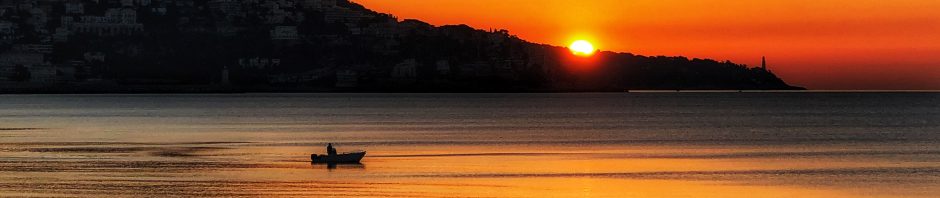
On a Sunday in July in Nice, France, the day begins with a refreshing splash in the Med. Already, the water is warm enough that there is none of that brutal cold water shock as you sink under the surface. But thankfully the temperature remains cool enough to lower an overheated body’s temperature.
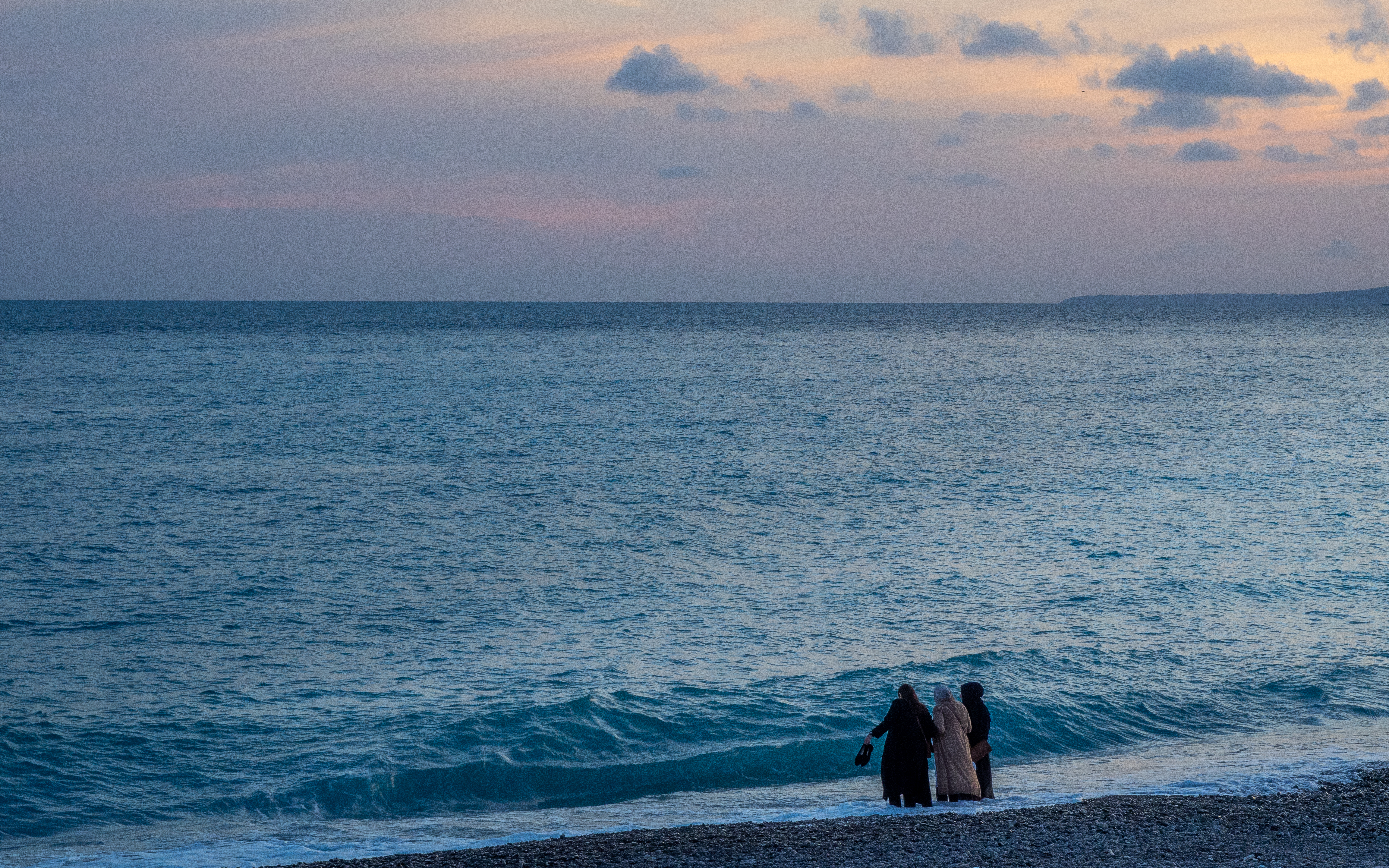
As for the temperature of the French body politic, relief is not so easy. The recent nightly riots in response to the police shooting at a traffic stop of Nahel M., a teen of North African descent, have simmered down. Public transport is back up and running through the night. Certain streets are no longer blocked off.
And yet, no one seems to believe the disproportionate police violence towards Arabs and Blacks is over, and therefore the unrest that follows. The police killed 13 people during traffic stops in 2022, an abuse of a 2017 anti-terrorism law allowing police to shoot at vehicles. Poverty and discrimination in the housing estates outside of Paris persist, fomenting anti-establishment feelings.
Beheadings, mass shootings and a murderous truck plowing through a Bastille Day fireworks celebration: these attacks committed in recent years by radicalized Muslim men of African and North African descent remain close to people’s minds. A sad and dangerous equating of Muslims and terror, as Americans saw occur post-9/11, lingers.
The polarization plaguing US society is raising its ugly head here. Anti-immigrant extreme right groups have raised more than one million euro for the legal defense of the policeman who killed Nahel. One hears comments on Nahel’s past brushes with the police and his dangerous driving in a stolen Mercedes at the time of the shooting, as if to excuse the police over-reaction. Anti-immigrant language has been tossed around, ignoring the fact that Nahel and his peers are French. Sound familiar?
Unlike the US, France officially does not gather race-based data on its population. The reluctance stems in part from the round-up of Jews during WWII and fear that the data could be misused by bigots in the future. But France was not the multicultural country shortly after the war that it is now. Some authoritative voices are suggesting a change to the color blind policy to inform serious anti-discrimination measures.
It is distressing that no one in power, including President Macron, are treating the matter with urgency, casting blame on social media instead. “Liberté, égalité et fraternité”, the noble ideals of the French republic, are being put to the test.
On Saturday, an unapproved march took place in Paris to commemorate the 2016 death in police custody of a man of West African descent. A skirmish ensued, during which the dead man’s brother was hurt and his sister arrested. With some luck and effort, heads will stay cool this summer.


 kmazz
kmazz 
Where we are headed is heartbreaking. I’m sick that the US is justifying and providing cluster bombs. Be safe and be well. B
Nice reportage, Kathleen. Merci.
It would have been great to have been able to come to France in the fall. Iâm sorry that it didnât work out. And sad that I wonât get a chance to see you. It was, however, not the most practical of plans. That is to say that the several other projects I have brewing are critical, each weighty and insistent. Câest la guerre.
In any case, it sounds like you have quite a lively and colorful summer planned. This is good.
Betsy
Sent from Mail for Windows
Hi Kathleen, such a beautiful place and yet the violence!
Bruce and I are going to Via Tavere tonight and meeting my cousin, who’s in from Toronto. I remember the good times we had together with you and David😘 love Lynn
Thanks for sharing this sobering piece. Kathleen. We need to do more than think about it; we need do really do something about it–NOW!
I miss your photos, however.
Be well and happy!
Best,
Jim